
Pelvic Floor Physical Therapy in NYC
Personalized, one-on-one physical therapy for pelvic pain, bladder and bowel symptoms, sexual health concerns, and pelvic floor dysfunction.
Serving Tribeca and the Upper West Side.
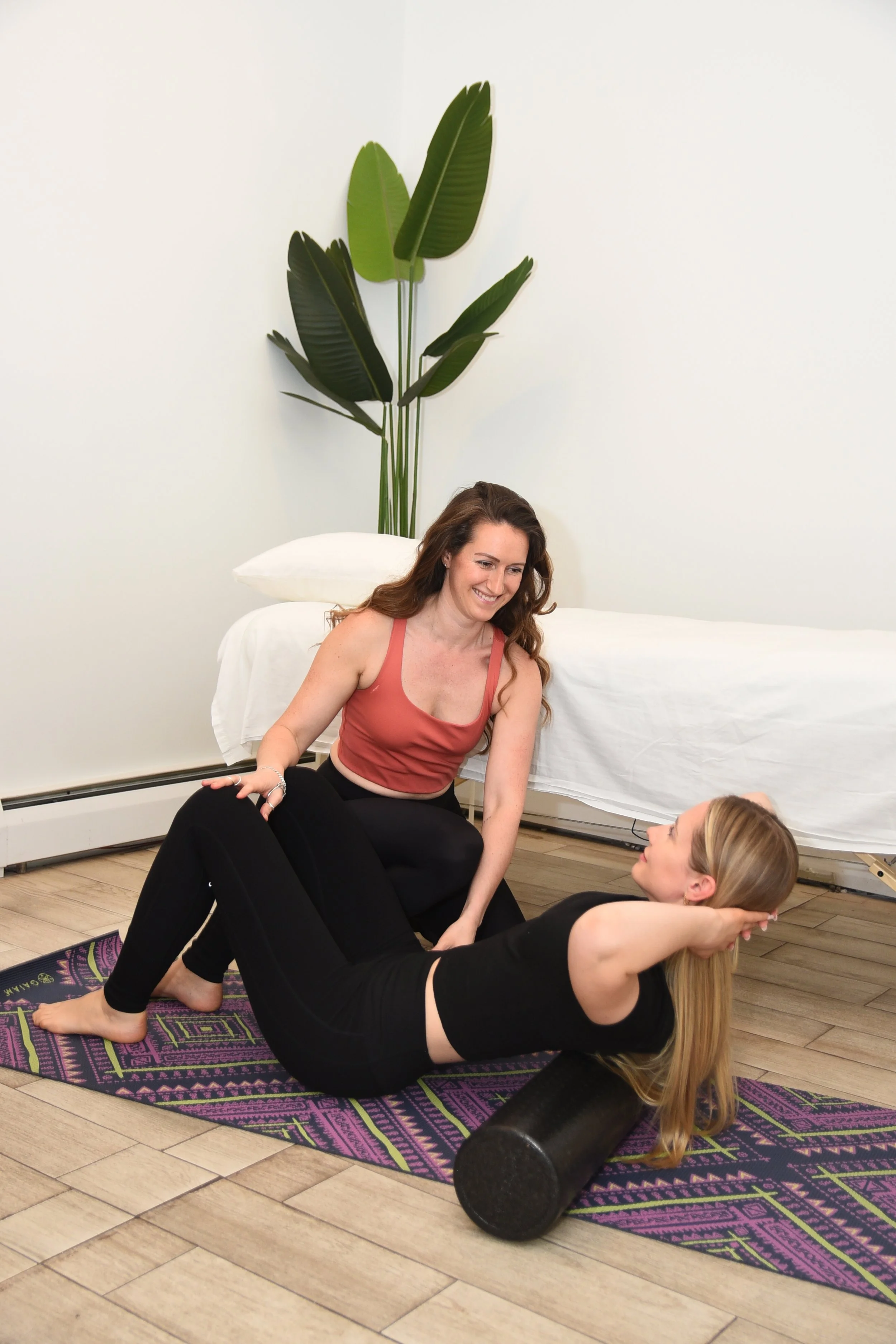

Pelvic Floor Physical Therapy Can Help With
Pelvic floor dysfunction can affect many areas of daily life. Treatment is personalized based on your symptoms, goals, movement patterns, and overall health.

Pelvic Pain
Chronic pelvic pain
Painful sex (dyspareunia)
Vulvodynia / vestibulodynia
Vaginismus
Pudendal nerve pain
Coccyx / tailbone pain
Low back, hip, and groin pain
Endometriosis-related pelvic pain

Bladder Health
Urinary incontinence
Urinary urgency and frequency
Pelvic organ or bladder prolapse
Difficulty emptying the bladder
Difficulty initiating urine stream
Overactive bladder symptoms
Interstitial cystitis / painful bladder syndrome

Bowel Health
Constipation
Obstructed defecation
Pelvic floor dyssynergia
Rectocele
Rectal prolapse
Anal incontinence
Hemorrhoids
Rectal pain

Sexual Health
Painful sex
Persistent genital arousal disorder
Anorgasmia
Fertility-related pelvic floor concerns

You’re not alone.
Pelvic floor issues are common, and help is available.
What to Expect During Pelvic Floor Physical Therapy
Every session is personalized to your symptoms, goals, and how your whole body is functioning. Treatment may combine assessment, hands-on care, movement, and education depending on what you need.

Full Body Assessment
We look beyond the area where you feel symptoms, assessing posture, breathing, movement, strength, mobility, coordination, and how your body works together.

Hands-On Treatment
When appropriate, hands-on techniques may be used to address muscle tension, mobility restrictions, pain, and pelvic floor dysfunction.

Movement Training & Exercise
Targeted exercises and movement strategies help improve strength, coordination, mobility, and confidence in daily activities.

Education & Self-Management
You’ll learn the “why” behind your symptoms and treatment plan, along with practical strategies to support your progress outside the clinic.
Why Choose JB Physical Therapy?
Pelvic floor care should feel personal, thoughtful, and connected to the rest of your body. At JB Physical Therapy, treatment is one-on-one and tailored to your symptoms, goals, and lifestyle.

Personalized One-on-One Care
Your sessions are focused entirely on you, with treatment adapted to how your body responds and what you want to achieve.
Whole-Body Approach
Pelvic floor symptoms often connect with breathing, posture, movement, strength, and other areas of the body. Care looks at the full picture rather than treating one symptom in isolation.
Evidence-Informed Treatment
Treatment combines clinical reasoning, movement, hands-on techniques, exercise, and education based on your individual needs.
Clear Education & Support
You’ll understand what is happening, why certain strategies are being used, and what you can do between sessions to support your progress.
Care is available in Tribeca and the Upper West Side, with the UWS location provided when your appointment is scheduled.
Pelvic Floor Physical Therapy FAQs
-
Your first visit focuses on understanding your symptoms, medical history, goals, movement patterns, and overall function. Dr. Jessica will explain the assessment process and develop a personalized treatment plan based on what you need.
-
No. An internal examination may be recommended when clinically appropriate, but it is never automatic. Your comfort and consent come first, and other assessment methods can also provide useful information.
-
Pelvic floor physical therapy may help address pelvic pain, urinary or bowel symptoms, painful sex, pelvic organ prolapse, pelvic floor muscle dysfunction, and related movement or musculoskeletal concerns.
-
The number of visits varies depending on your symptoms, goals, health history, and response to treatment. Your plan will be adjusted as you progress.
-
Appointments are available in Tribeca at 40 Worth Street, Suite 811, and on the Upper West Side. The Upper West Side location is provided when your appointment is scheduled.
Ready to Take the Next Step?
Request an appointment to discuss your symptoms, goals, and how pelvic floor physical therapy may support you.